
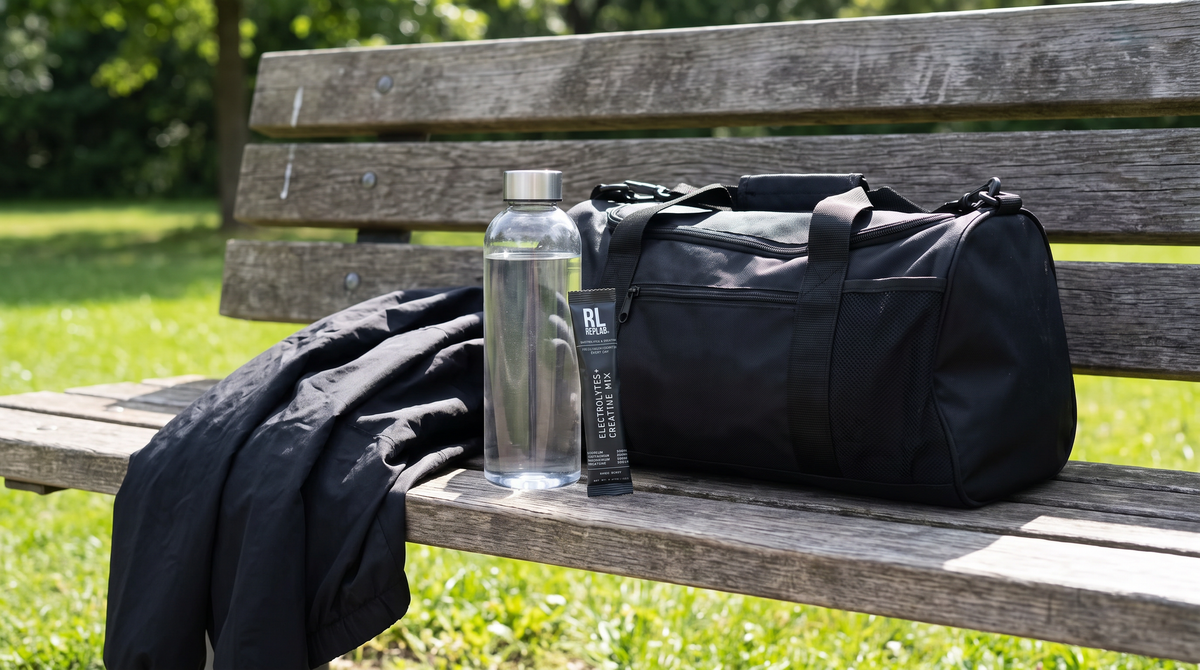
You do not automatically need electrolyte supplements because it is winter. Equally, colder weather does not remove the need to think about hydration during exercise. The decision depends on the session, your sweat losses, what you eat and your individual needs.
For an October evening at the gym, start with the workout you will actually do, not the temperature during the walk from the car.
Why hydration can be overlooked in cold weather
Cold conditions can reduce thirst and voluntary drinking. Exercise may still involve meaningful fluid loss, which is why sports hydration guidance includes cold environments as well as hot ones. Both too little fluid and excessive drinking can cause problems. [1]
The practical lesson is to make drinks accessible and think ahead. It is not to force a fixed number of litres regardless of what you are doing.
Start with three questions
Where are you training? An outdoor walk, a heated indoor class and a long football session are different situations. “Winter training” is too broad to describe them all.
How long and demanding is the session? Your usual brief workout and a tournament with repeated matches deserve different preparation.
What have you arranged around it? Check access to water, opportunities for breaks and when you will eat afterwards. Planning those basics is more useful than deciding that every cold-weather session needs a supplement.
When might electrolytes be worth considering?
Sodium is lost in sweat, and replacement can come from food and drinks. Sports guidance recommends matching sodium intake to losses without taking excessive amounts. [1]
That makes an electrolyte drink an option to consider for a long or sweaty session, rather than an automatic requirement. For a short, easy workout, water and ordinary meals may be sufficient.
If you want the broader explanation of the ingredients, read our guide to electrolytes for hydration and performance.
A simple winter training checklist
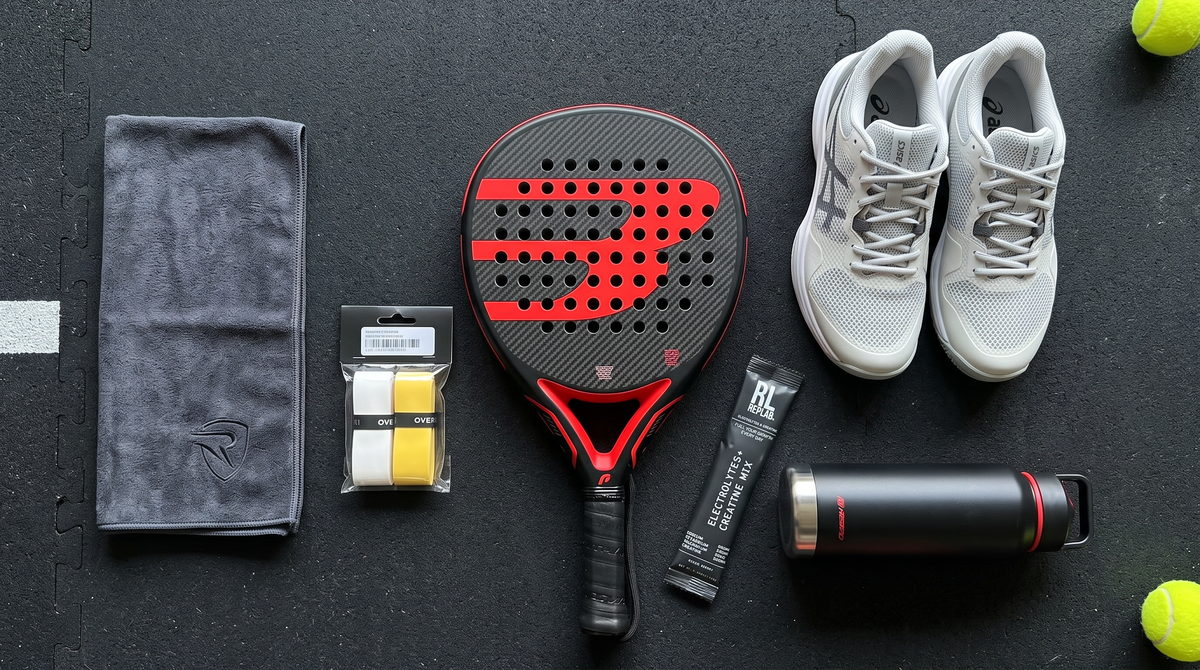
Before leaving home, fill a bottle and check whether the venue has somewhere to refill it. Put it in a pocket you can reach during breaks rather than underneath your shoes and towel.
For an outdoor session, check the forecast and pack layers appropriate to the conditions. For an indoor class, plan for the room and activity rather than dressing only for the journey.
Afterwards, record anything that made preparation awkward. Did you forget the bottle? Was the refill point closed? Did the session last longer than expected? Fixing one practical problem can make next week’s routine easier.
Avoid the “more is better” trap
Do not keep drinking simply to hit an arbitrary target. Hydration should be individual, and electrolyte drinks do not make unlimited fluid intake appropriate. [1]
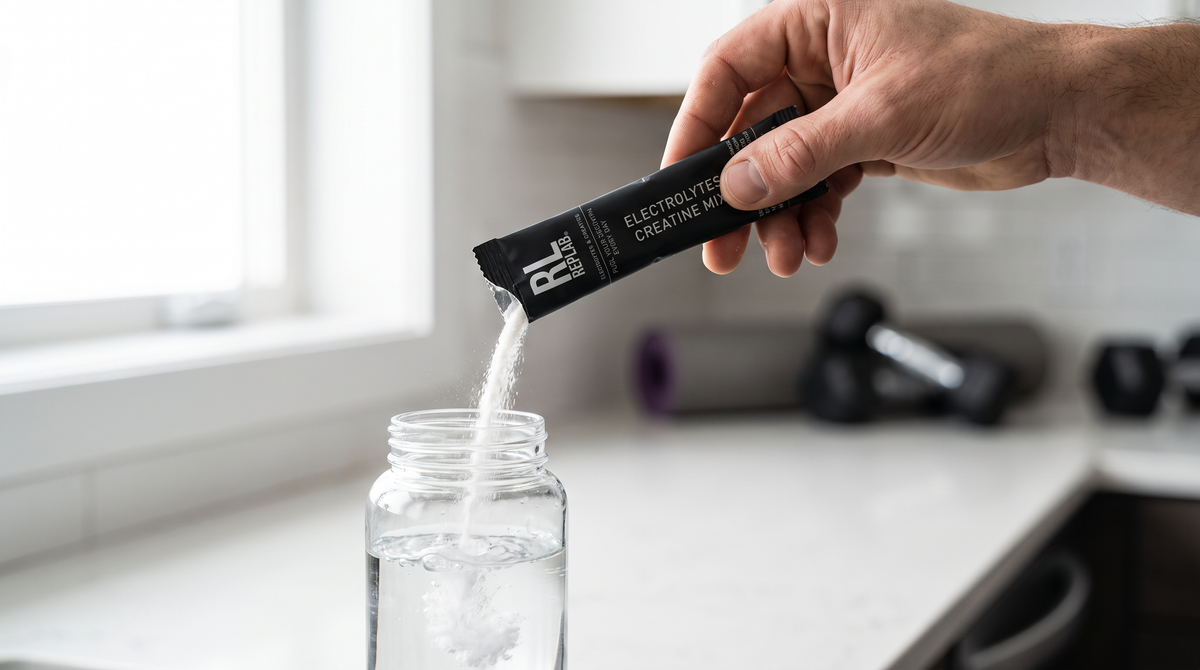
Similarly, a combined supplement needs to be considered as a complete product. If it contains creatine as well as electrolytes, every extra serving also adds more creatine. Follow the label rather than repeatedly refilling with additional sachets.
REPLAB is a combined creatine and electrolyte product. It can be a convenient option if that combination fits your routine; it is not necessary for every winter workout. Check the ingredients and directions here.
Do I need electrolytes for every winter gym session?
No. Consider the session and your overall intake instead of assuming that a particular season creates a daily requirement.
What is the easiest first step?
Bring a bottle, know where to refill it and make time for ordinary meals around training. Build the routine before adding complexity.
Source:
[1] National Athletic Trainers’ Association: Fluid Replacement for the Physically Active, 2017

Leave a comment
This site is protected by hCaptcha and the hCaptcha Privacy Policy and Terms of Service apply.