
Creatine takes time to build up in your muscles. A daily routine without a loading phase generally works on a timescale of weeks, rather than hours. Loading can raise stores faster, but reaching higher muscle creatine levels is not the same as seeing an immediate change in the mirror.
If you have started taking creatine and feel no different after three days, that alone tells you very little. A more useful question is what you are measuring—and over what period.
How quickly do muscle creatine stores increase?
In a controlled study, taking 3g of creatine daily produced a gradual increase in muscle creatine over 28 days. Taking 20g daily for six days raised stores more quickly. These findings help explain the common distinction between a slower daily approach and a short loading phase. They do not establish a guaranteed day on which every person will notice results. [1]
For the details of daily intake, see our guide to how much creatine to take per day.
What should you expect to notice?
Creatine is best supported for repeated, short, high-intensity efforts. It is not a stimulant, so feeling a rush is not a useful test of whether it is working. The evidence is stronger for activities such as resistance exercise and repeated intense efforts than for steady endurance exercise. [2]
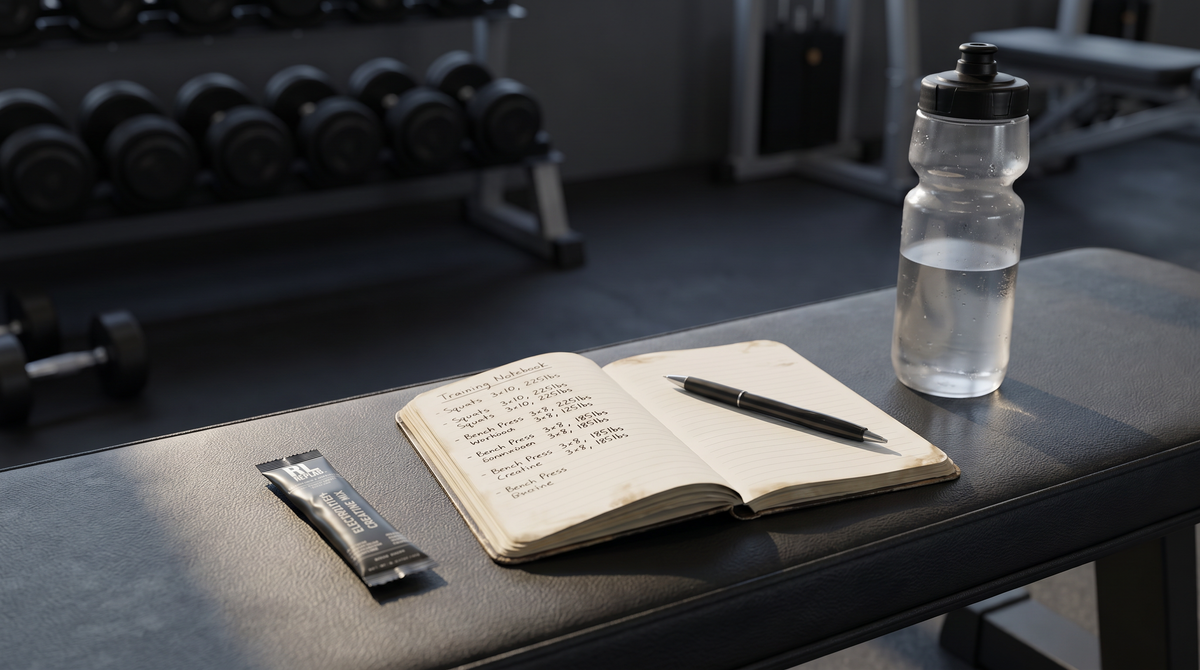
In practice, look at your training log rather than waiting for a special feeling. Are you completing your planned sessions? Can you compare the same exercise across several weeks? Are the load, technique and rest periods similar enough to make the comparison meaningful?
One unusually good workout is encouraging, but it cannot tell you how much of the improvement came from creatine.
A simple four-week tracking plan
Before you start: Choose two or three exercises you already perform regularly. Write down the weight, repetitions, number of sets and rest periods. Keep the plan familiar so that new exercises do not confuse the comparison.
During the first two weeks: Record your daily routine and workouts. Avoid changing every part of your programme just because you have introduced a supplement. Make a note of unusually poor sleep, missed meals or an interrupted session.
During weeks three and four: Compare similar sessions. Look for a pattern across several workouts rather than your single best set. Keep body-weight changes separate from performance changes.
This is a practical way to organise your observations, not a test that proves a supplement caused the result.
Why the scale is not enough
Early weight changes can include water. They should not automatically be described as new muscle or fat. [3] If you weigh yourself, use similar conditions and look at the trend.
A useful notebook can have four columns: date, exercise, performance and context. “Same weight, one extra repetition, normal rest” tells you more about the session than “felt bigger today”.
What if you still notice nothing?
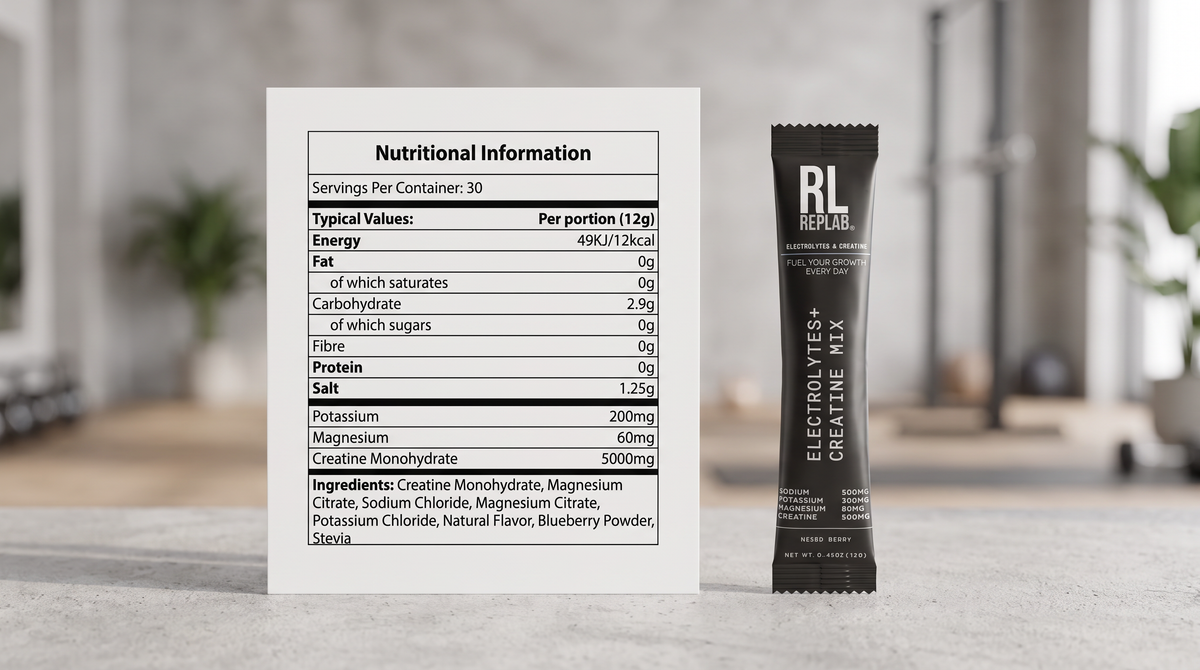
Check the routine before buying another product. Review the actual creatine amount on the label, how often you have taken it, and whether your training has been consistent. Also consider whether your expectations match the type of exercise you do.
For a routine that fits around your day, read when to take creatine.
Can creatine work without loading?
Yes. Loading is a faster route to increased stores, rather than a requirement. The daily approach in the study above also increased muscle creatine. [1]
Should you judge creatine after one workout?
No. One session is too affected by other factors to provide a useful verdict.
Prefer a pre-portioned option? Explore REPLAB’s creatine and electrolyte sachets and check the ingredients and directions before choosing your routine.
Sources:
[1] Hultman et al., Muscle creatine loading in men, 1996
[2] NIH Office of Dietary Supplements: Exercise and Athletic Performance
[3] Antonio et al., Common questions and misconceptions about creatine supplementation, 2021

Leave a comment
This site is protected by hCaptcha and the hCaptcha Privacy Policy and Terms of Service apply.